Welcome to a concise guide that demystifies trees, offering quick insights into their structure, growth, and significance. This primer introduces key concepts, from basic anatomy to ecological impact, setting the stage for deeper exploration of forest life. It sparks curiosityopening doors to forest wisdom.
Why Study Trees?
Studying trees offers a window into the planet’s past, present, and future. Their growth rings chronicle climate fluctuations, while their vast carbon storage mitigates global warming. Trees shape habitats, influence water cycles, and sustain countless species, making them keystone organisms in ecosystems. Understanding tree biology informs sustainable forestry, urban planning, and conservation strategies. Moreover, trees provide resources—timber, fruit, medicine—and cultural value across societies. By learning how trees adapt to stressors like disease, drought, and pollution, scientists can develop resilient species and protect biodiversity. Tree research also fuels innovations in biomimicry, renewable energy, and climate modeling. Ultimately, trees are living archives that connect us to Earth’s history and to future generations, underscoring the importance of their study for ecological health, human well-being, and planetary stewardship. The intricate root systems of trees not only anchor them but also facilitate nutrient exchange with soil microbes, enhancing soil fertility and structure. Their canopy layers create microclimates that moderate temperature extremes, reduce wind speed, and provide shade, benefiting both flora and fauna. In urban settings, trees mitigate air pollution by trapping particulate matter, absorb carbon dioxide, and release oxygen, improving air quality for residents. Moreover, trees serve as carbon sinks, sequestering atmospheric carbon for centuries, which is crucial in mitigating climate change and maintaining temperature stability. They inspire design. for all
Taxonomy and Classification
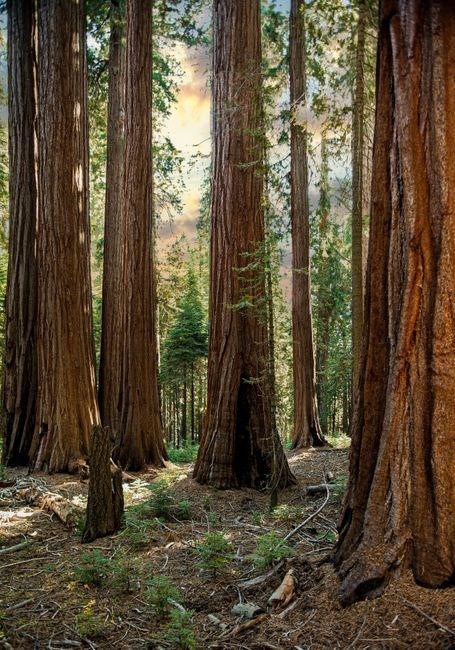
Trees belong to diverse families, ranging from angiosperms to gymnosperms. Classification follows hierarchical ranks: kingdom, phylum, class, order, family, genus, species. This system helps botanists identify relationships, evolutionary history, and ecological roles of each tree type. Their roots stabilize soils.
Kingdom to Species
In botanical taxonomy, trees are classified through a series of hierarchical ranks that reflect evolutionary relationships and morphological similarities. The highest rank, Kingdom Plantae, groups all plants, algae, and mosses, based on shared characteristics such as cell walls composed of cellulose and the ability to perform photosynthesis. Within this kingdom, the division or phylum distinguishes major structural differences; for trees, the most common divisions are Angiosperms (flowering plants) and Gymnosperms (non‑flowering seed plants). Angiosperms are further divided into classes like Eudicots and Monocots, which separate species by seed leaf number and vascular bundle arrangement. The order rank groups families that share more specific traits; for example, the order Fagales includes oaks, beeches, and chestnuts, all of which share similar fruit types and leaf venation patterns. Families, such as Fagaceae for oaks and beeches, narrow the classification to genera that exhibit even closer genetic and morphological ties. The genus level groups species that are capable of interbreeding and share distinct characteristics; for instance, the genus Quercus encompasses all oak species, each with unique bark textures and leaf shapes. Finally, the species rank identifies individual organisms that can reproduce with one another and produce fertile offspring. This hierarchical framework allows scientists to communicate about trees with precision, trace evolutionary lineages, and predict ecological roles based on relatedness. By understanding this structured hierarchy, researchers can better assess conservation priorities, predict responses to climate change, and develop sustainable forestry practices that honor both ecological integrity and human needs. Such an approach aids in identifying cryptic species, guiding restoration projects, and appreciation of forest complexity.
Anatomy of a Tree
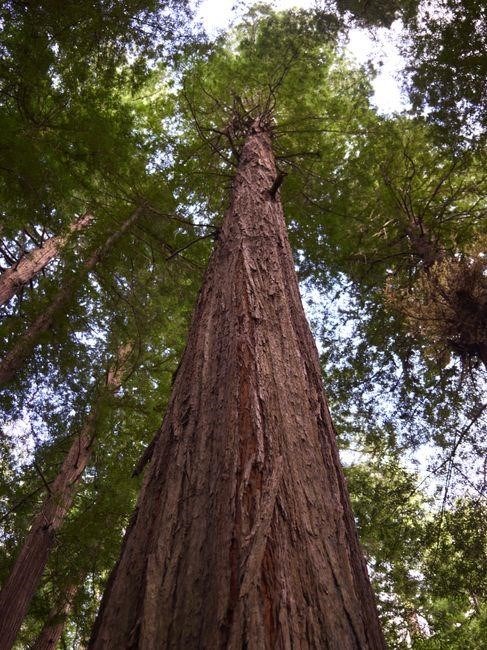
Roots anchor and absorb water, the trunk supports and transports nutrients, branches spread light, and leaves photosynthesize. Xylem and phloem form a vascular system, while cambium adds growth rings, revealing age and health. Bark shields from fire and pests; cambium records year growth.!!!
Roots, Trunk, Branches, and Leaves
Roots anchor the tree, extending deep and wide and secure stability and absorb water and nutrients from the soil. They form a complex network of fine rootlets that increase surface area, enabling efficient uptake of minerals. The root system also stores carbohydrates and acts as a reserve during periods of stress.
The trunk, or bole, serves as the main support structure, carrying the tree’s weight and providing a conduit for the transport of water, sugars, and signaling molecules. The bark protects against physical damage, disease, and fire, while the cambium layer beneath generates new cells that add girth each year, creating growth rings that reveal the tree’s age.
Branches radiate from the trunk, distributing light and facilitating reproduction by bearing flowers, fruits, and seeds. They also provide habitats for birds, insects, and other organisms. Branch architecture varies with species, climate, and light conditions, influencing the overall canopy shape and density.
Leaves are the primary sites of photosynthesis, converting sunlight into chemical energy. Their shape, size, and arrangement optimize light capture while minimizing water loss. Leaf tissues contain chloroplasts, stomata, and vascular bundles that coordinate gas exchange and nutrient transport. Seasonal changes in leaf color and shedding are adaptations to temperature and light cycles.
Each part works together, forming a living scaffold that supports ecosystems, regulates climate, and shelters wild species.forall

Growth and Development
Seedlings sprout, establishing root systems that anchor and feed. As cambial cells divide, trunks thicken, branches spread, and leaves unfurl, trees adapt to light, water, and temperature. Over decades, growth rings record yearly cycles, reflecting environmental shifts.!!!…
Life Cycle of a Tree
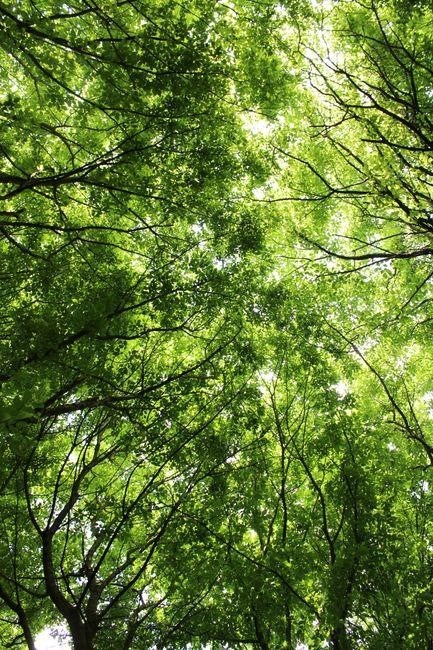
From a tiny seed, a tree embarks on a remarkable journey. Germination begins when moisture triggers the embryo to swell, pushing the radicle downward and the plumule upward. The seedling establishes a taproot, anchoring itself and absorbing nutrients. As it matures, the cambium layer produces new xylem and phloem, allowing the trunk to thicken and branches to spread. Photosynthesis fuels growth, while hormonal signals regulate seasonal changes. Once the tree reaches maturity, it produces flowers or cones, setting the stage for pollination or wind‑dispersed seeds. Fertilization leads to seed development, completing the cycle. Over decades, growth rings record yearly variations in climate and resource availability. Eventually, the tree enters senescence: metabolic rates decline, leaves may drop, and structural integrity weakens. Some species shed bark and cambial activity slows, while others may form protective scars. The final stage can involve natural decay, providing habitat for decomposers, or a dramatic fall, creating space for new seedlings. This continuous cycle sustains forest ecosystems, supports biodiversity, and shapes the planet’s carbon balance. Throughout its lifespan, a tree interacts with fungi and insects, creating a dynamic web of life. It also supports soil microbes, enhancing nutrient cycles daily. Thus, a tree’s life is a story of growth, cooperate, renewal!
Ecological Roles
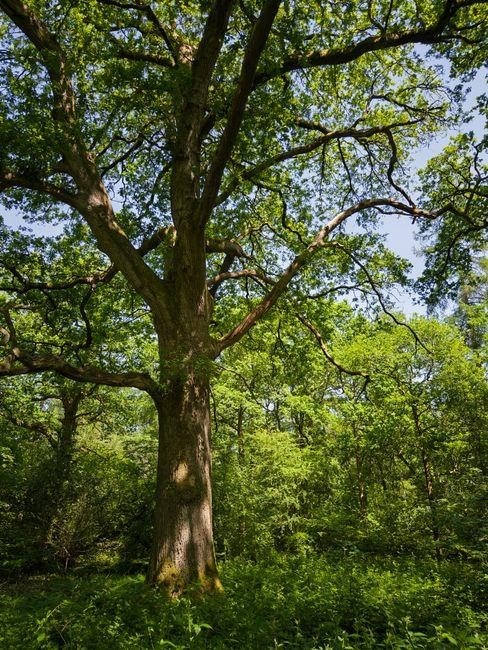
Trees shape ecosystems: they stabilize soils, filter water, sequester carbon, and provide habitats. Their roots bind ground, while branches and leaves create microclimates, support pollinators, and sustain diverse fauna and flora. Their presence improves air quality, supports trees.
Habitat and Biodiversity
This synergy highlights why protect treesis svtalfor alllife
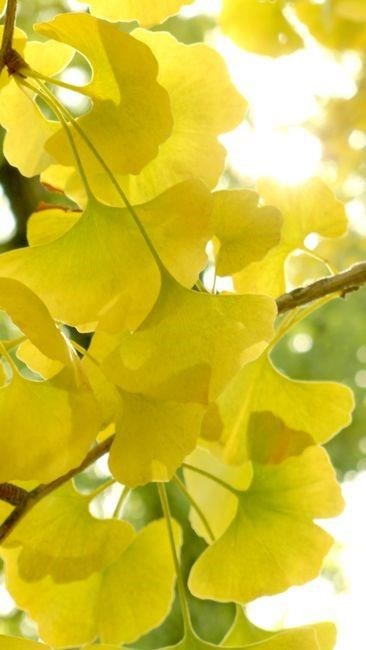
Human Uses
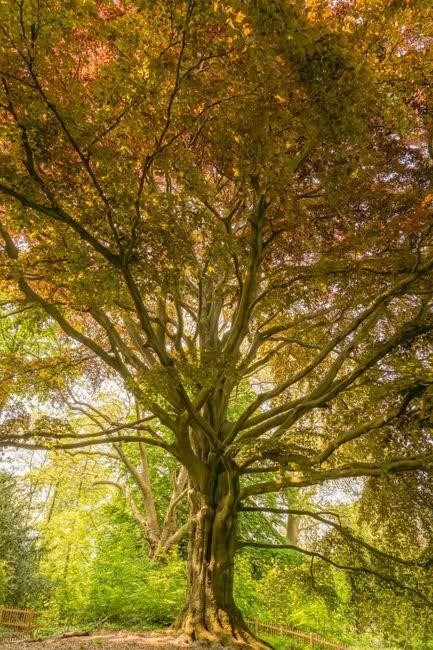
This section explores how trees serve humanity, from timber and food to medicine and cultural symbols. Sustainable harvesting, reforestation, and urban greening illustrate trees’ economic, ecological, and emotional value, urging responsible stewardship. Trees support wildlife habitats.!
Timber, Food, and Medicine
Timber, the durable wood harvested from trees, has shaped human civilization for millennia. From ancient boats to modern skyscrapers, timber’s versatility and strength make it a cornerstone of construction and furniture. Sustainable practices ensure harvests match natural regeneration, preserving ecosystems while meeting demand. Its fibers insulation.
Food from trees is diverse: apples, oranges, almonds supply nutrients and flavor worldwide. Nuts—walnuts, pecans, hazelnuts—offer healthy fats and proteins. Tree bark, leaves, and sap have served as emergency food in survival scenarios, showing human adaptability. Culinary uses include tree-based spices like cinnamon and vanilla, adding depth to dishes. Their aromatic oils are used in teas and perfumes, enhancing culinary and medicinal experiences.
Medicinal uses of trees stem from centuries of knowledge. Bark, leaves, and roots contain compounds for anti-inflammatory, antimicrobial, and anticancer effects. Willow bark offers salicin, a precursor to aspirin. Ginseng roots are prized for adaptogenic benefits. Research isolates novel phytochemicals, expanding therapeutic options. These discoveries highlight the importance of protecting diverse species for future medical breakthroughs.
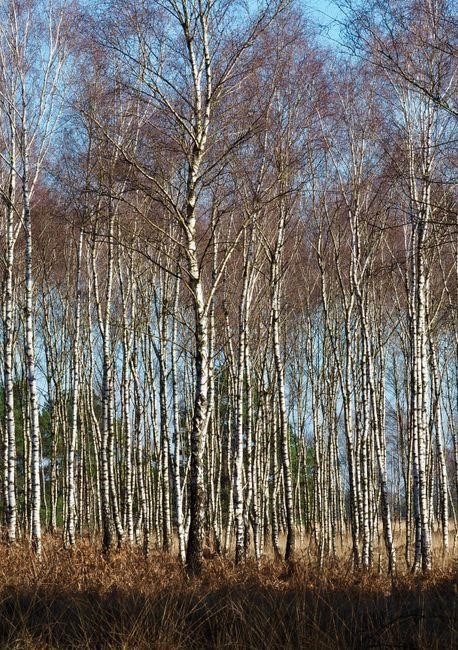
Trees enhance human well-being by sequestering carbon, purifying air, and regulating water. Urban forests reduce heat islands and improve mental health. They support biodiversity and symbolize cultural identity, underscoring their integral role in shaping communities. Their presence stabilizes soil, preventing erosion and supporting agricultural productivity. This invites explorationEnjoy!
Conservation and Management
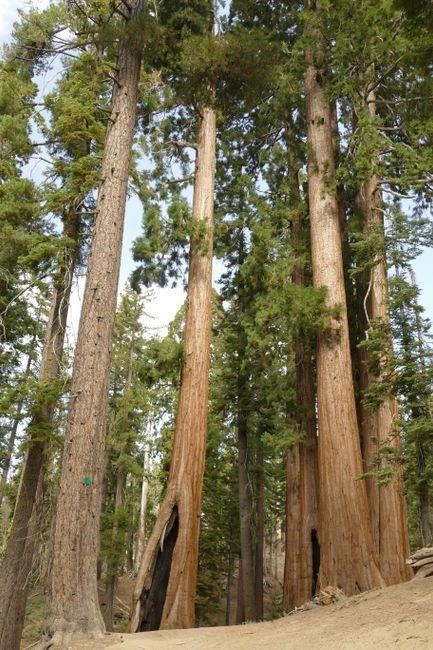
Conservation balances human use with ecological integrity. Sustainable forestry, protected reserves, preserve genetic diversity, and maintain ecosystem services; Adaptive management uses monitoring data to adjust practices, ensuring resilient forests for future generations. Local communities play vital roles !
Threats and Preservation Strategies
Forests face threats: deforestation, invasive species, climate change, pollution, and unsustainable logging. Deforestation removes habitat, disrupts carbon cycles, and increases erosion. Invasive plants outcompete natives, altering soil chemistry and reducing biodiversity. Climate change stresses trees beyond adaptive capacity. Airborne pollutants impair photosynthesis and weaken growth. Unsustainable logging depletes seed banks and fragments populations, hindering regeneration.
Preservation strategies counter pressures via integrated approaches. Legal protection—national parks, wildlife reserves, and easements—restricts destructive activities. Sustainable forest management balances timber harvest with regeneration, using selective logging and protecting seed sources. Reforestation restores degraded lands with native species, preserving ecological integrity. Biological control manages invasive pests, reducing chemical treatments. Climate‑resilient forestry promotes drought‑tolerant species, enhancing resilience. Community engagement empowers stakeholders to monitor and manage resources, fostering stewardship. International cooperation aligns policies with global conservation goals. Education raises awareness, encouraging responsible consumption and supporting funding. Adaptive management refines strategies to respond to emerging threats, ensuring long‑term forest health and biodiversity.
Community monitoring, data sharing, policy ensure forest management evolves with ecological challenges.