Joe Pass‚ a master of jazz guitar‚ pioneered chord‑melody arrangements that blend harmony and melody seamlessly. His fluid voicings‚ rhythmic precision‚ and lyrical phrasing made complex standards accessible‚ inspiring countless players worldwide. Explore his timeless approach. Join the study!
Joe Pass (1929‑1994) revolutionized jazz guitar with his virtuosic command of harmony‚ rhythm‚ and melody. His solo work‚ especially the acclaimed “Virtuoso” series‚ showcased an unprecedented ability to condense full orchestral textures into a single instrument. Pass’s technique—rootless voicings‚ rapid arpeggios‚ and subtle pedal‑tone shifts—became a blueprint for modern jazz guitarists. He also collaborated with legends like Ella Fitzgerald and Oscar Peterson‚ cementing his status as a consummate accompanist. Pass’s influence extends beyond performance; his transcriptions and instructional materials continue to shape curricula in conservatories worldwide. By blending bebop’s harmonic sophistication with bluesy phrasing‚ he forged a distinctive voice that remains a touchstone for aspiring musicians seeking to master the art of chord‑melody playing; His recordings are studied for their rhythmic precision‚ melodic inventiveness‚ and the seamless integration of chordal and melodic lines‚ illustrating how a single guitarist can create a full band’s sound‚ Pass’s legacy endures through countless guitar students who emulate his fluid voicings‚ dynamic control‚ and the effortless balance between harmony and solo lines‚ ensuring that his approach to chord‑melody remains a cornerstone of jazz education. His work continues to inspire new generations worldwide. He demonstrated how a single guitarist can weave complex harmonic progressions while maintaining melodic clarity‚ inspiring students to pursue mastery with confidence and creativity.!! Enjoy play

The Concept of Chord Melody in Jazz
Chord‑melody fuses harmony and melody‚ letting a solo guitarist play full arrangements. It demands voicing skills‚ rhythmic balance‚ and melodic clarity. In jazz‚ it expands solo expression while preserving harmonic structure. This technique encourages independence‚ letting players reimagine standards with now harmony.
Joe Pass‚ a jazz guitar legend‚ pioneered chord‑melody arrangements that blend harmony and melody. His fluid voicings‚ rhythmic precision‚ and lyrical phrasing made complex standards accessible‚ inspiring countless players worldwide.
In practice‚ the player uses slash chords‚ arpeggios‚ and rhythmic comping to create a full texture that supports improvisation. It is valuable in small ensembles or solo settings where the guitarist must fill harmonic space without a bassist or pianist. By choosing voicings that emphasize root and fifth‚ the guitarist maintains harmonic clarity while providing melodic interest. This approach encourages rhythmic independence‚ allowing guitarist to navigate changes effortlessly.
Chord‑melody spans jazz standards‚ pop ballads‚ and contemporary pieces. In jazz‚ it reinterprets standards with fresh harmonic color while preserving melody. In pop‚ it offers sophisticated accompaniment for solo or band. Contemporary works demand complex voicings‚ and chord‑melody provides a framework for dense harmonies.
Chord‑melody studies sharpen a guitarist’s ear for chord function and melodic contour‚ fostering a holistic approach to interpretation. The method bridges accompaniment and solo roles‚ enabling adaptation to various ensemble settings with ease. It encourages independence‚ as the guitarist manages bass line and chordal harmony simultaneously.
Chord‑melody expands a guitarist’s expressive palette‚ offering nuanced phrasing and dynamic control that enrich solo and ensemble performances.

Joe Pass’s Signature Chord Melody Style
Joe Pass’s chord‑melody style blends tight voicings‚ fluid arpeggios‚ and rhythmic swing. He uses slash chords‚ subtle voice leading‚ and melodic hooks‚ creating full textures that support improvisation while keeping the tune’s essence intact. His style is a masterclass in harmonic clarity!?.
Joe Pass’s arrangements are renowned for their harmonic sophistication‚ rhythmic flexibility‚ and melodic integration. He frequently employs slash chords to maintain voice leading while keeping the bass line independent‚ allowing the guitar to act as both harmonic foundation and melodic voice. His use of upper‑structure triads—such as major‑7th‚ minor‑7th‚ and dominant‑7th built on the 3rd‚ 5th‚ or 7th of the root—creates lush‚ shifting textures that support improvisation. Pass’s voicings often feature the use of the 9th‚ 11th‚ and 13th extensions‚ which he incorporates subtly to add color without cluttering the line. He also favors the use of rhythmic displacement‚ playing the chord tones on off‑beats to create a syncopated groove that feels both relaxed and forward‑moving. In many of his recordings‚ Pass demonstrates the ability to outline a chord progression with a single melodic line‚ using arpeggios that span the entire chord while simultaneously outlining the bass movement. His approach to reharmonization is also noteworthy; he frequently substitutes dominant chords with altered or diminished chords‚ adding tension and release to the progression. Finally‚ Pass’s technique of “walking” the bass line while simultaneously playing the melody showcases his mastery of independence between the left and right hands‚ a hallmark of his style that has influenced generations of guitarists. His recordings remain essential study material for advanced guitarists worldwide. and influence. now

Notable Joe Pass Chord Melody Recordings
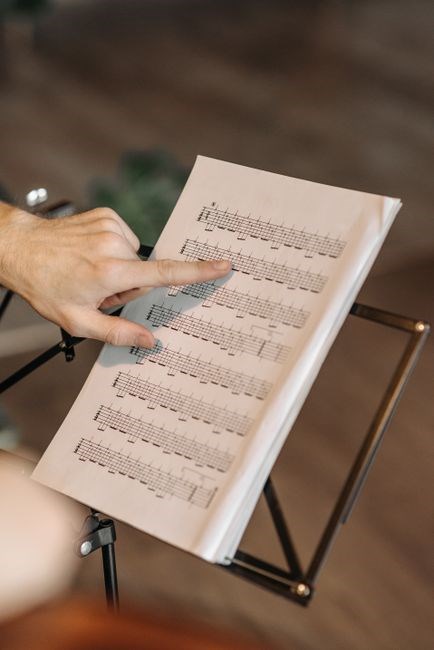
Explore classics like “The Joe Pass Book‚” “Virtuoso‚” and “The Best of Joe Pass;” Each showcases his chord‑melody mastery‚ blending lush harmonies with melodic lines‚ ideal for PDF study and performance practice. Each track exemplifies fluid voicing.
4;1 Albums and Tracks to Study
Joe Pass’s discography offers a treasure trove of chord‑melody gems. Begin with The Joe Pass Book (1991)‚ a compilation that highlights his signature approach to standards such as “Autumn Leaves” and “Blue Bossa.” The 1995 release Virtuoso showcases intricate voicings on “Stella by Starlight” and “My Funny Valentine‚” perfect for dissecting harmonic structure. In 1998‚ Midnight at the Village Vanguard captures live spontaneity; the track “I Can’t Get Started” demonstrates dynamic rhythmic interplay. The 2000 album All Night Long offers a relaxed atmosphere‚ with “The Girl from Ipanema” featuring lush‚ melodic lines. For a deeper dive‚ the 2003 collection My Favorite Songs presents “St. Louis Blues” and “Blue Monk‚” illustrating Pass’s bluesy phrasing. Each recording serves as a study model for chord‑melody technique‚ providing both harmonic depth and melodic clarity.
These selections illustrate Pass’s mastery of voicing‚ rhythm‚ and melodic invention. By transcribing each track‚ players can analyze chord substitutions‚ rhythmic displacement‚ and the use of pedal tones. The interplay between bass lines and melodic fragments demonstrates how Pass maintained harmonic clarity while delivering lyrical phrasing. Practicing these recordings with a metronome and a backing track can help internalize the groove and harmonic framework. These recordings benchmark rhythmic precision harmonic sophistication.!!

Locating Joe Pass Chord Melody PDFs Online
Search reputable sheet‑music sites‚ academic archives‚ and jazz forums. Use precise queries like “Joe Pass chord‑melody PDF” and filter by license status. Verify authenticity before downloading. Enjoy the discovery! Download responsibly.!!!!!

Locating Joe Pass PDFs Online
When searching for Joe Pass chord‑melody PDFs‚ rely on reputable platforms that respect copyright and offer accurate transcriptions. Below is a curated list of trusted sources with availability and licensing options.
- IMSLP (International Music Score Library Project) – A public domain repository. While most Joe Pass works remain copyrighted‚ IMSLP occasionally hosts public domain arrangements. Users can download PDFs for free‚ provided the score is legally available.
- Musicnotes.com – A commercial sheet‑music retailer that offers high‑quality‚ professionally arranged PDFs. Purchases grant a personal license and preview before buying.
- Sheet Music Plus – Similar to Musicnotes‚ this site sells PDFs with a clear licensing statement. Joe Pass chord‑melody arrangements are available.
- JazzStandards.com – A subscription‑based service that curates jazz arrangements. Members access chord‑melody charts‚ including Joe Pass classics‚ printable or viewable online.
- Library of Congress Digital Collections – Occasionally hosts digitized sheet music. It is worth checking for archival recordings or early transcriptions in the public domain.
- University Music Libraries – Many universities provide access to electronic collections for students and faculty. University affiliates can download PDFs from JSTOR or ProQuest.
Hi

Legal Aspects of Using Joe Pass PDFs
Joe Pass works are copyrighted. Use PDFs only from licensed sources. Personal study is allowed‚ but public performance or distribution requires permission. Check fair use and obtain rights for recordings or sheet music. Verify license before use.!!
6.1 Copyright Law and Fair Use Considerations
Joe Pass’s compositions‚ arrangements‚ and recordings remain under copyright protection for the life of the author plus 70 years in most jurisdictions. In the United States‚ the doctrine of fair use allows limited copying for purposes such as criticism‚ comment‚ news reporting‚ teaching‚ scholarship‚ or research. However‚ fair use is determined case‑by‑case‚ weighing four factors: the purpose and character of the use‚ the nature of the copyrighted work‚ the amount and substantiality of the portion used‚ and the effect on the market value of the original. For example‚ a student creating a study guide for personal use may fall under fair use‚ whereas distributing the PDF to a group or using it in a performance would likely require permission from the rights holder. Copyright terms vary; some countries grant protection for 50 years‚ while others extend to 70 years. The Berne Convention obliges signatory states to respect foreign works‚ meaning that a PDF obtained in one country may still be protected elsewhere. To mitigate legal risk‚ musicians should seek PDFs from licensed distributors or obtain permission from the publisher or estate that manages Joe Pass’s catalog. When in doubt‚ consult an attorney to assess whether a particular use meets fair‑use criteria or requires a license. Attribution‚ limiting the amount copied material‚ and ensuring the use is non‑commercial are prudent steps to stay within legal boundaries while studying Joe Pass’s chord‑melody arrangements. For study. Thanks.

Practical Tips for Playing Joe Pass Chord Melody PDFs
Start with a slow tempo‚ isolate one chord at a time‚ and listen for Pass’s voice leading. Use a metronome‚ practice arpeggios‚ and record yourself to spot subtle shifts. Focus on smooth transitions and rhythmic nuance. Practice daily.
7.1 Practice Routines and Performance Strategies
For advanced practice‚ try playing the arrangement in a different key while maintaining the same rhythmic feel. Record the session‚ then listen for any awkward transitions. Use a metronome set to a faster tempo to challenge your timing!!!‚! then slow it back down to ensure accuracy. This technique develops both technical precision and expressive nuance‚ essential for mastering Joe Pass’s style.!

Resources for Deepening Your Knowledge
Explore Joe Pass’s chord‑melody PDFs through online libraries‚ attend masterclasses‚ and join forums. Study transcriptions‚ analyze voicings‚ and practice improvisation. Books‚ workshops‚ and community discussions deepen understanding and skill. Use these resources to refine technique spark joy!!!
8.1 Books‚ Workshops‚ and Online Communities
Joe Pass’s chord‑melody technique is a cornerstone of advanced jazz guitar study. Foundational books such as “The Joe Pass Masterclass” and “Chord‑Melody for Jazz Guitar” dissect his harmonic vocabulary‚ voice‑leading‚ and rhythmic displacement. Transcriptions of standards like “Autumn Leaves” illustrate Pass’s use of quartal harmony and pedal points‚ allowing students to hear the exact voicings and feel he employed.
Workshops and masterclasses provide an interactive dimension. Renowned educators like John McLaughlin and John Scofield conduct intensive sessions focused on chord‑melody. Attending a live workshop lets you ask questions‚ receive instant feedback‚ and observe phrasing in real time. Many programs culminate in performance projects‚ encouraging students to apply Pass‑inspired arrangements.
Online forums like JazzGuitar.be and Reddit’s r/jazzguitar host discussions where players share transcriptions‚ ask for advice‚ and critique recordings. Social media groups and Discord channels provide live jam sessions‚ allowing you to practice chord‑melody in a supportive environment.
Combining books‚ workshops‚ and online communities creates a robust learning ecosystem. By studying Pass’s chord‑melody PDFs alongside these resources‚ you’ll develop a nuanced understanding of his harmonic language and the ability to apply it creatively in your own playing. These resources empower players to master Joe Pass’s intricate voicings and adapt them to jazz contexts.