CFL Guides: A Comprehensive Overview (Updated March 25, 2026)
Navigating compact fluorescent lamps (CFLs) requires understanding their benefits, safe handling, and evolving role amidst newer lighting technologies, as of today’s date.

What are CFLs?
Compact fluorescent lamps (CFLs) represent a significant advancement in lighting technology, offering a more energy-efficient alternative to traditional incandescent bulbs. These lamps operate by passing an electric current through a tube containing argon and a small amount of mercury vapor.
This excitation generates ultraviolet (UV) light, which then strikes a phosphor coating on the inside of the bulb, converting the UV light into visible light. CFLs come in various shapes and sizes, designed to replace common incandescent bulb types. They were initially promoted as a simple way for consumers to reduce energy consumption and lower electricity bills.
However, due to concerns regarding mercury content and the rise of even more efficient LED lighting, their prevalence is shifting. Understanding their core function is crucial for informed lighting choices.
How CFLs Work: The Science Behind the Light
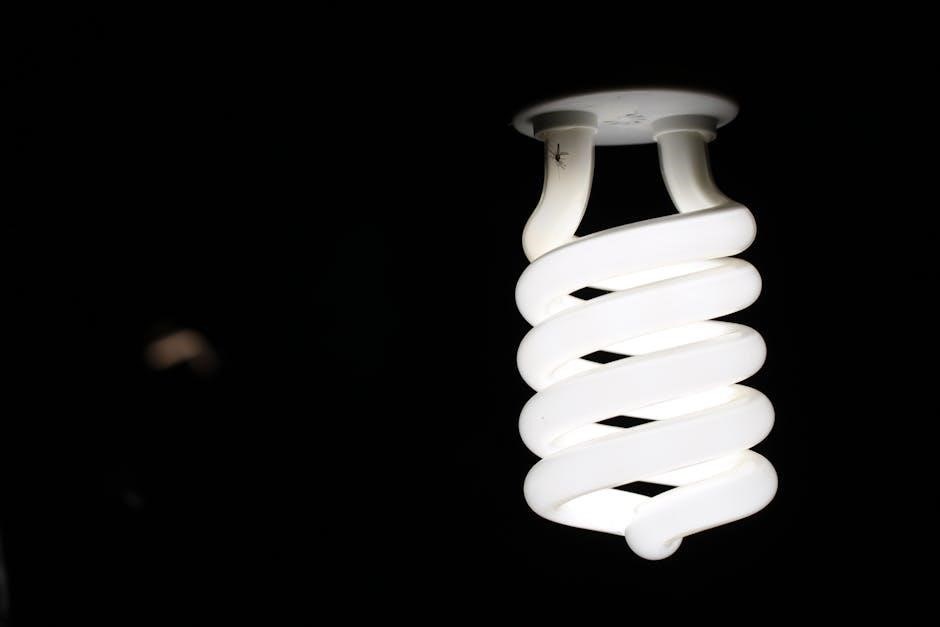
CFLs function through a fascinating interplay of electrical excitation and phosphorescence. When electricity flows through the gas-filled tube, it energizes mercury atoms, causing them to emit ultraviolet (UV) light. This invisible UV light is the key intermediary in the process.
The inner surface of a CFL bulb is coated with phosphors – materials that glow when exposed to radiation. These phosphors absorb the UV light and re-emit it as visible light, creating the illumination we perceive. Different phosphor blends produce varying color temperatures, from warm to cool white.
The compact, coiled shape maximizes the surface area for phosphor coating within a smaller volume. This process is significantly more efficient than incandescent bulbs, which produce light by heating a filament.
CFL vs. Incandescent: A Detailed Comparison
Comparing CFLs and incandescent bulbs reveals stark differences in efficiency and longevity. Incandescent bulbs generate light via heated filaments, wasting significant energy as heat – approximately 90% is lost this way. CFLs, conversely, produce light through a gas discharge process, converting a much larger percentage of energy into visible light.
This translates to substantial cost savings; a CFL uses roughly 75% less energy than an equivalent incandescent bulb. Furthermore, CFLs boast a significantly longer lifespan, lasting up to 10 times longer than traditional bulbs, reducing replacement frequency and associated costs.
However, incandescent bulbs offer instant-on functionality and generally provide a warmer, more familiar light quality, aspects where CFLs historically lagged, though improvements have been made.
Energy Efficiency & Cost Savings
CFLs deliver substantial energy efficiency, translating directly into cost savings for consumers. Utilizing approximately 75% less energy than traditional incandescent bulbs for the same light output, CFLs significantly reduce electricity consumption. This decreased usage lowers monthly energy bills and minimizes the environmental impact associated with power generation.
The initial cost of a CFL is typically higher than an incandescent bulb, but this is quickly offset by the long-term savings. Over the bulb’s lifespan, the reduced energy consumption far outweighs the upfront investment. Considering widespread adoption, the collective energy savings from CFLs contribute to a smaller carbon footprint and reduced strain on energy resources.
Lifespan & Replacement Frequency
Compared to incandescent bulbs, CFLs boast a significantly longer lifespan, reducing the frequency of replacements and associated costs. While incandescent bulbs typically last around 750-1,000 hours, CFLs can operate for 6,000-15,000 hours, depending on usage patterns and quality.
This extended lifespan translates to fewer trips to the store and less waste generated from discarded bulbs. Although the initial investment in a CFL is higher, the reduced replacement frequency contributes to long-term cost savings. Frequent switching of the bulb on and off can slightly shorten a CFL’s lifespan, but even with regular use, they outlast traditional options considerably.
Light Quality & Color Temperature
CFLs offer a diverse range of color temperatures, impacting the ambiance of a space. Unlike the warm, yellowish glow of most incandescents, CFLs are available in shades from warm white to cool daylight. Color temperature is measured in Kelvin (K), with lower numbers indicating warmer tones and higher numbers representing cooler, brighter light.
The perceived “quality” of light is subjective, but crucial for different applications. Warmer tones are relaxing, ideal for bedrooms, while cooler tones enhance focus, suiting kitchens or offices. Early CFLs sometimes suffered from inconsistent color rendering, but modern options provide improved quality, closely mimicking natural light. Choosing the right Kelvin value is key to achieving the desired atmosphere.

Choosing the Right CFL Bulb
Selecting the ideal CFL involves considering shape, base type, color temperature, and wattage equivalency to ensure optimal illumination for specific needs and fixtures.
Understanding CFL Shapes & Bases
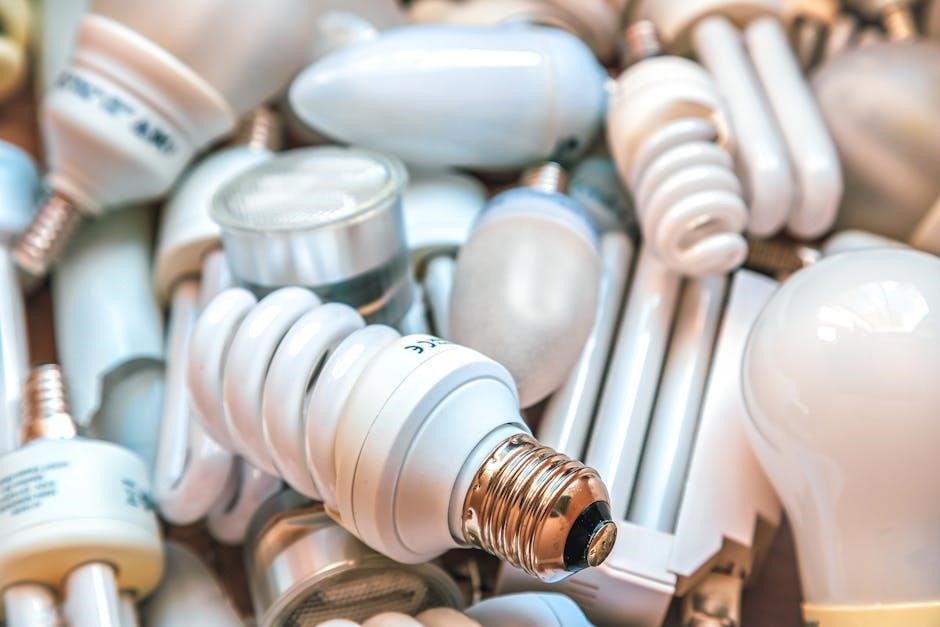
CFL bulbs aren’t one-size-fits-all; they come in various shapes and base types to accommodate different fixtures. Common shapes include spiral, twisted, and globe, each designed for specific applications. Spiral CFLs are often used in table lamps, while twisted bulbs fit well in recessed lighting. Globe shapes mimic traditional incandescent bulbs and are suitable for chandeliers.
Base types are equally important. The most prevalent is the E26 (medium screw base), found in most household lamps. Other bases include E12 (candelabra), GU10 (twist and lock – often for spotlights), and bayonet bases. Ensuring the CFL base matches your fixture’s socket is crucial for a secure and functional connection. Incorrect bases won’t allow the bulb to operate safely or effectively, potentially causing electrical hazards.
Carefully check your existing bulb’s shape and base before purchasing a CFL replacement to guarantee compatibility and optimal performance.
Color Temperature (Kelvin) Guide
Color temperature, measured in Kelvin (K), significantly impacts a room’s ambiance. Lower Kelvin values (2700K-3000K) produce “warm white” light, creating a cozy and inviting atmosphere, ideal for bedrooms and living rooms. Mid-range temperatures (3500K-4100K), categorized as “cool white,” offer a brighter, more energetic feel, suitable for kitchens and workspaces.

Higher Kelvin values (5000K-6500K) emit “daylight” – a crisp, invigorating light resembling natural daylight. This is excellent for task lighting, garages, or areas where clarity is paramount. Selecting the right Kelvin value isn’t just about brightness; it’s about creating the desired mood and functionality.
Consider the room’s purpose and your personal preference when choosing a CFL’s color temperature. Experimenting with different Kelvins can dramatically alter the feel of a space.
Warm White (2700K-3000K) Applications
Warm white CFLs, ranging from 2700K to 3000K, excel in creating relaxing and comfortable environments. These bulbs are ideally suited for living rooms, bedrooms, and dining areas where a cozy ambiance is desired. Their softer light mimics the glow of incandescent bulbs, fostering a sense of warmth and intimacy.
Consider using warm white CFLs in areas where you spend extended periods relaxing, such as reading nooks or home theaters. They are also excellent for accent lighting, highlighting artwork or architectural features. This color temperature is particularly flattering for skin tones, making it a popular choice for vanity lighting.
Avoid using warm white in areas requiring high visibility or detailed tasks, as the softer light may not provide sufficient illumination.
Cool White (3500K-4100K) Applications
Cool white CFLs, with a color temperature between 3500K and 4100K, offer a brighter and more energetic light than warm white options. They are well-suited for kitchens, bathrooms, offices, and workspaces where enhanced visibility is crucial. This temperature promotes alertness and focus, making it ideal for tasks requiring concentration.
Utilize cool white CFLs in areas where detail-oriented work is performed, such as home offices or craft rooms. They effectively illuminate surfaces, reducing eye strain during prolonged use. These bulbs are also a good choice for garages, basements, and utility rooms where a brighter, more functional light is preferred.
However, avoid using cool white in spaces intended for relaxation, as the brighter light can feel less inviting.
Daylight (5000K-6500K) Applications
Daylight CFLs, emitting a color temperature of 5000K-6500K, mimic natural daylight, providing a very bright and crisp illumination. These are exceptionally effective in areas demanding high clarity and precision, such as workshops, studios, and reading nooks. They enhance contrast and reduce shadows, making detailed tasks easier on the eyes.
Consider daylight CFLs for security lighting, as their bright output can deter potential intruders. They are also suitable for areas where color accuracy is paramount, like art studios or display cases. However, due to their intense brightness, avoid prolonged exposure and refrain from using them in bedrooms or relaxation areas.
Daylight bulbs can sometimes feel sterile, so balance their use with warmer tones for a more comfortable environment.
Wattage Equivalency: CFL to Incandescent
Understanding wattage equivalency is crucial when transitioning from traditional incandescent bulbs to CFLs. A CFL uses significantly less wattage to produce the same brightness (lumens) as an incandescent. For example, a 9-watt CFL generally provides the same light output as a 40-watt incandescent bulb.
Similarly, a 13-watt CFL is roughly equivalent to a 60-watt incandescent, and a 18-watt CFL approximates a 75-watt bulb. Always check the lumen output on the packaging, as this is the true measure of brightness. Don’t solely rely on wattage; it only indicates energy consumption.
Using the correct CFL wattage ensures you achieve the desired illumination level without overspending on energy. This conversion chart simplifies the switch, maximizing savings and efficiency.

Installation & Usage of CFLs
Proper installation and mindful usage of CFLs are essential for optimal performance, longevity, and safety within your home lighting systems today.
Safe Installation Practices
Before installing any CFL bulb, always ensure the power is switched off at the breaker to prevent electrical shock. Carefully unpack the bulb, avoiding any forceful handling that could cause breakage. When screwing in a CFL, grasp the base – not the glass tubing – to prevent accidental damage.
Avoid installing CFLs in fully enclosed fixtures, as this can trap heat and shorten the bulb’s lifespan, potentially creating a fire hazard. Ensure adequate ventilation around the bulb. If a CFL is used in a recessed can fixture, verify it’s rated for CFL use.
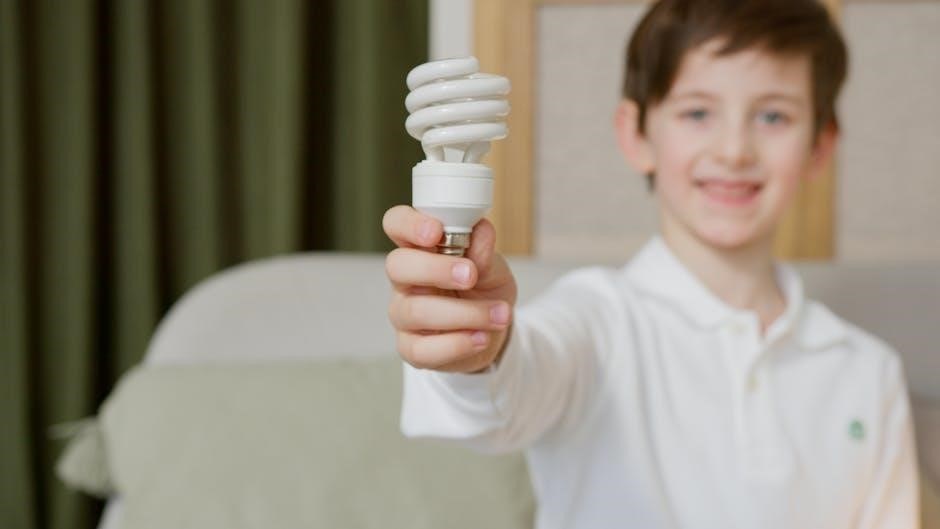
Inspect the fixture for any existing damage before installation. Do not force a bulb into a socket; if it doesn’t fit easily, check the base type. Following these simple precautions will ensure a safe and trouble-free installation process, maximizing the benefits of your CFL lighting.
Dimmer Switch Compatibility
Not all CFLs are compatible with dimmer switches; using an incompatible dimmer can cause flickering, buzzing, or even damage to both the bulb and the dimmer. Specifically, standard incandescent dimmers often don’t work effectively with CFLs due to their differing electrical characteristics.
To dim a CFL, you must use a dimmer switch specifically designed and labeled as “CFL compatible” or “universal dimmer.” These dimmers utilize different technology to properly regulate the current flow to the CFL bulb. Check the CFL packaging; it will indicate if the bulb is dimmable and may even recommend specific dimmer switch models.
Even with a compatible dimmer, some CFLs may exhibit a limited dimming range. Experimentation may be needed to find the optimal dimmer and bulb combination for your desired lighting effect. Always consult the manufacturer’s instructions for both the CFL and the dimmer switch.
Recommended Usage Environments
CFLs excel in areas where lights are frequently left on for extended periods, maximizing their energy-saving benefits. This includes living rooms, bedrooms, and home offices – spaces benefiting from consistent illumination. They are particularly well-suited for task lighting, such as desk lamps and reading lights, offering focused brightness.
However, CFLs aren’t ideal for all locations. Avoid using them in areas with frequent on/off switching, as this significantly shortens their lifespan. Outdoor applications are also generally discouraged unless the CFL bulb is specifically rated for outdoor use and protected from the elements.
Consider enclosed fixtures carefully; some CFLs generate more heat than incandescent bulbs, potentially causing overheating in tightly sealed fixtures. Always check the bulb’s packaging for suitability regarding fixture type and ventilation.

CFL Safety & Disposal
Proper handling of CFLs, especially broken ones, is crucial due to their mercury content; responsible recycling prevents environmental contamination and protects public health.
Handling Broken CFLs: EPA Guidelines (as of 2026)
In the event of a CFL breakage, the EPA (as of March 25, 2026) recommends immediate, careful cleanup to minimize mercury exposure. First, ventilate the room for at least five minutes, avoiding forced air systems. Wear gloves and carefully sweep up fragments – do not vacuum! Place debris and cleaning materials in a sealed container, labeled for proper disposal.
Wipe the area with a damp paper towel, also placing it in the sealed container. Do not use water to clean up, as this can spread mercury vapor. The EPA currently states they haven’t been specifically asked to update guidelines, but existing recommendations emphasize caution and responsible waste management. Avoid washing contaminated clothing with other laundry.
Mercury Content & Health Concerns
CFLs contain a small amount of mercury, a neurotoxin, which raises health concerns if bulbs are broken or improperly disposed of. While the quantity is significantly less than older thermometers, exposure can pose risks, particularly to sensitive populations like pregnant women and young children.
Mercury vapor released from a broken bulb is the primary concern, potentially causing respiratory irritation or neurological effects at high concentrations. However, under normal usage conditions, CFLs pose minimal risk. The EPA emphasizes that intact bulbs are safe, and proper handling of breakage is crucial. Current research continues to assess long-term exposure effects, but responsible use and recycling mitigate potential hazards.
Proper CFL Recycling Procedures
Recycling CFLs is vital to prevent mercury from entering the environment. Do not discard them in regular trash; many areas prohibit this practice. Several avenues exist for responsible disposal, including dedicated CFL recycling centers and retailer take-back programs.
Locating these facilities is often facilitated by local government websites or online search tools specifically designed for recycling locations. Major retailers like hardware stores frequently offer take-back programs, accepting used CFLs for proper processing. Packaging bulbs securely during transport minimizes breakage risks. Recycling ensures mercury is safely extracted and prevents environmental contamination, supporting sustainable waste management practices.
Locating CFL Recycling Centers
Finding a suitable CFL recycling center is easier than you might think. Start by checking your local municipal waste management website; many cities and counties maintain comprehensive lists of recycling facilities. Earth911.com is an invaluable resource, offering a searchable database by zip code to pinpoint nearby options.
Call2Recycle also provides a locator tool specifically for fluorescent bulb recycling. Hardware stores and some home improvement retailers often serve as drop-off locations, though availability varies. Before visiting, confirm the center’s acceptance policies and any associated fees. Proper preparation, like packaging bulbs carefully, ensures safe transport and efficient recycling processes.
Retailer Take-Back Programs
Many retailers actively participate in CFL recycling through convenient take-back programs. Major home improvement stores, like Home Depot and Lowe’s, frequently offer collection points for used bulbs, often located near customer service or the entrance. These programs simplify the recycling process for consumers, providing a readily accessible drop-off location.
IKEA also participates, accepting CFLs for recycling. Check the retailer’s website or inquire in-store to confirm participation and any specific guidelines, such as quantity limits or packaging requirements. These initiatives demonstrate a commitment to environmental responsibility and help divert hazardous materials from landfills, promoting a circular economy for lighting products.
The Future of CFLs & Alternatives
While once revolutionary, CFLs are increasingly superseded by LED lighting due to superior efficiency, longevity, and environmental considerations in modern applications.
LED Lighting: The Emerging Standard
Light Emitting Diodes (LEDs) have rapidly become the dominant force in home and commercial illumination, eclipsing CFLs and even traditional incandescent bulbs. Their superior energy efficiency translates to significant cost savings over time, consuming up to 75-80% less energy than incandescent counterparts and often outperforming CFLs in this regard.
Beyond efficiency, LEDs boast an exceptionally long lifespan – often exceeding 25,000 hours – drastically reducing replacement frequency and associated maintenance costs. Furthermore, LEDs offer instant-on functionality, unlike some CFLs which require a warm-up period. They are also inherently more durable, being solid-state devices resistant to breakage from impacts.
Modern LEDs provide a wide spectrum of color temperatures and excellent color rendering, allowing for customizable lighting schemes. The decreasing cost of LED technology has made them increasingly accessible, solidifying their position as the preferred lighting solution for a sustainable future.
CFLs vs. LEDs: A Modern Comparison
While CFLs represented a significant improvement over incandescent bulbs, LEDs now offer a more compelling package. CFLs utilize mercury vapor, necessitating careful disposal procedures, a concern absent with LEDs. Though CFLs are energy-efficient, LEDs surpass them, converting a higher percentage of electricity into light and consuming even less power.
Lifespan is a key differentiator; LEDs typically last 2-3 times longer than CFLs, reducing replacement frequency and waste. LEDs also offer superior durability, being less prone to breakage. Initial costs for LEDs were higher, but prices have fallen dramatically, often matching or even undercutting CFLs.
Furthermore, LEDs provide instant brightness and are fully dimmable without issues, unlike some CFLs. Considering environmental impact, longevity, and overall performance, LEDs represent the superior lighting choice in 2026.